

Self-erecting tower cranes must be regularly serviced to ensure their safe operation, longevity, and optimal performance. Self-erectors are designed to deliver fast set-up and dismantle times and to be highly mobile as work progresses and lifting requirements move around the site. These cranes are the optimal lifting solution for projects where time is critical and the build needs to progress quickly and efficiently. Regular maintenance and servicing will keep the crane at optimal working performance, improve safety and reduce downtime due to breakdowns.
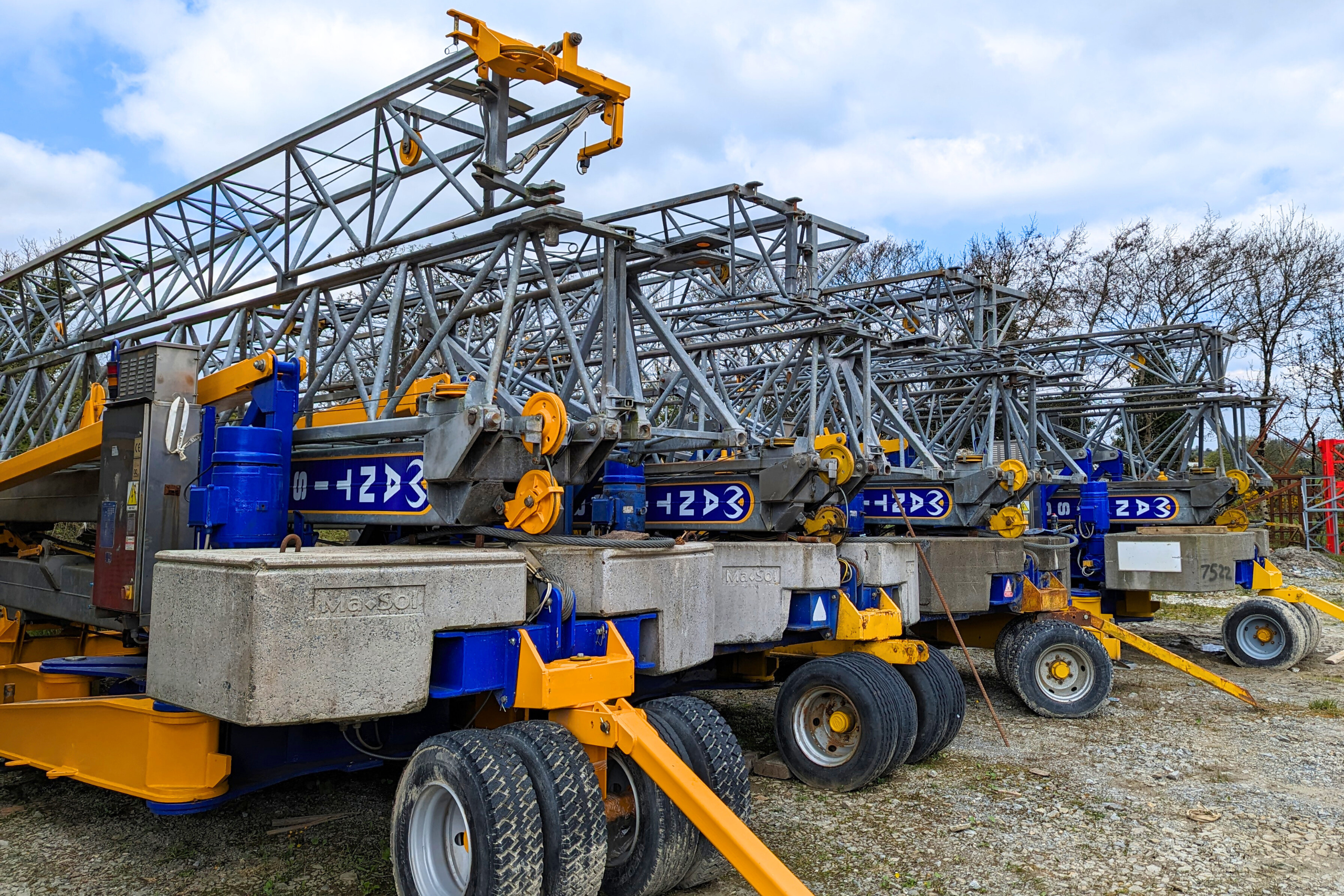
Cranes are essential for many construction projects, and contractors often choose to invest in purchasing a crane rather than renting one. Whether buying a new or used crane, it involves a substantial financial commitment, so buyers should carefully evaluate several factors before making their decision. While purchasing a new crane is a major investment, opting for the right used crane can provide both cost savings and reliable performance, offering an attractive alternative to buying new.

Although infrequent in Ireland and UK, thunderstorms bring lightning and increased risk of danger to workers on construction sites. Lighting strikes are more frequent where tall objects exist, putting construction sites with cranes at risk. With the recent thunder storms in mind, we take a look at how to protect construction workers when working on sites with cranes.

A tower crane hook camera is a specialised camera, mounted onto the crane hook, that provides the operator with an unobstructed view of the load and lifting area. The crane hook camera ensures the safe and efficient handling of heavy loads as the operator can see and hear the load and surroundings.

A site survey is completed before the crane is installed and it will ensure that the site is suitable for the safe installation and operation of a crane. A Mantis Cranes Representative will evaluate the site to identify potential hazards, logistical issues and safety requirements before the crane arrives on site.

In 1999 when Mantis Cranes introduced the first self erecting crane to the Irish market, the Ma-sol 18 06 had a maximum lifting capacity of 1,500 kg. Fast forward to 2024 and the self erectors in the Mantis Cranes range now lift loads up to 6 T, with tower cranes lifting up to 24 T. Advancements in crane capabilities in response to changing customer requirements have resulted in a very different landscape for the crane hire industry.
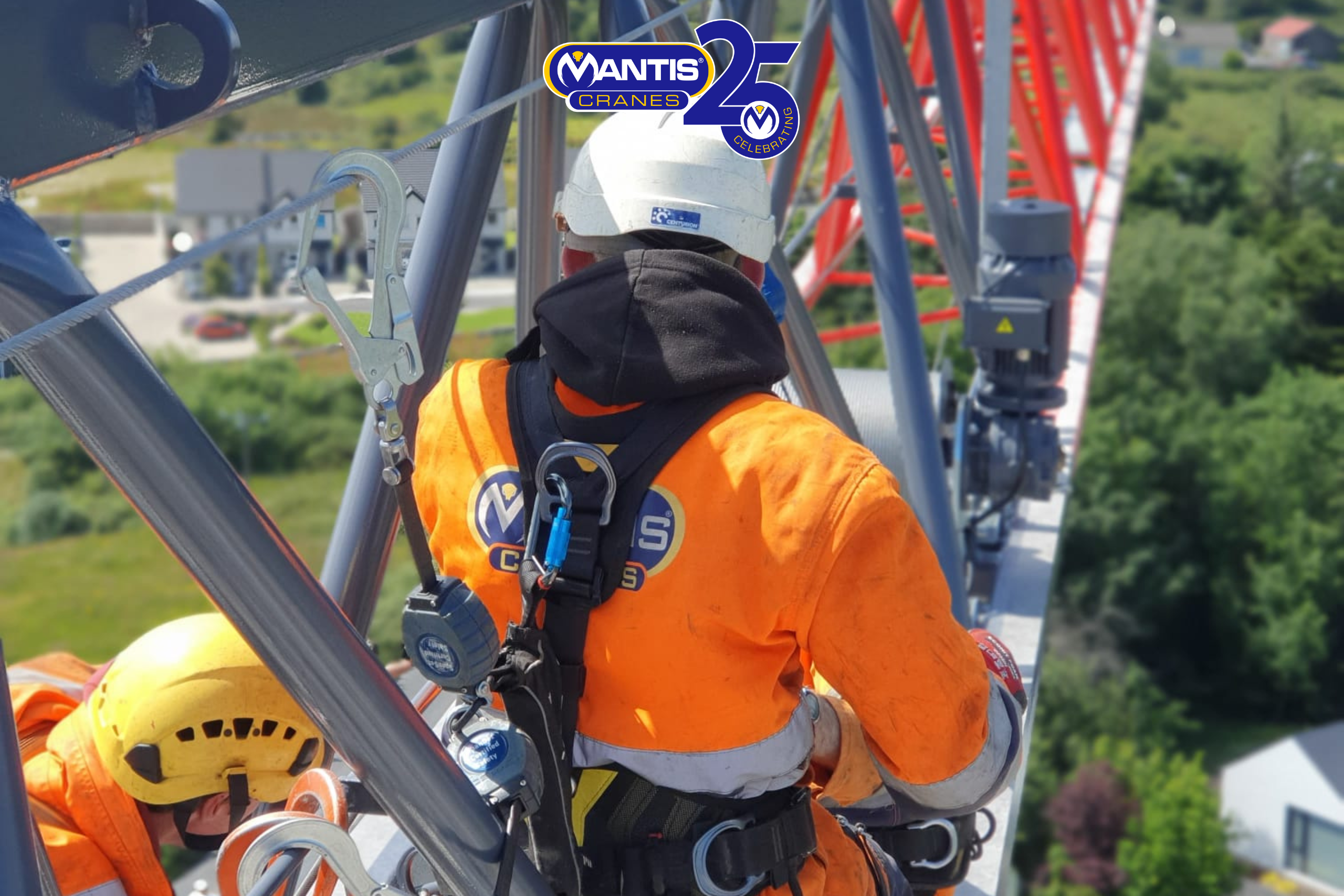
Adhering to deadlines is crucial on construction sites and crane downtime can lead to a myriad of problems for contractors. Cutting crane downtime is the key to achieving deadlines. Deadlines range from permit & regulatory deadlines, material delivery deadlines, subcontractor deadlines, and budgetary deadlines to the final project completion deadline. Minimising crane downtime is pivotal to the overall success of a construction project.

When restoring historic buildings, care must be taken to preserve these buildings for future generations. Cranes play a crucial role in this process and provide the necessary means of material handling, access, precision, and safety required to carry out restorations without causing additional damage. Over the years, Mantis Cranes have been involved in a number of iconic projects in some recognisable places that involved considerable planning not just to put the crane in place but also for the daily management of materials handling.

Since 1999 Mantis Cranes has been hiring and selling self erecting cranes, tower cranes and luffing cranes from our base in Co. Donegal. Over that time the company has grown to become an established name in our primary markets of UK and Ireland, offering a nationwide service in both countries.

After a year or so of market research, numerous trips to Italy and a lot of days thinking “will we or won't we” in 1999, Mantis Cranes, known as Masol Ireland at the time, took a bold step and introduced the first hydraulic self erecting tower crane to Ireland.

Crane Hire Made Easy
Subscribe to our newsletter today!
"*" indicates required fields
UK
IRELAND
PRODUCTS
MANTIS GROUP
© Copyright 2026 | Mantis Cranes | All Rights Reserved | Privacy Policy | Designed by JamJo
