


Storm Safety Tips
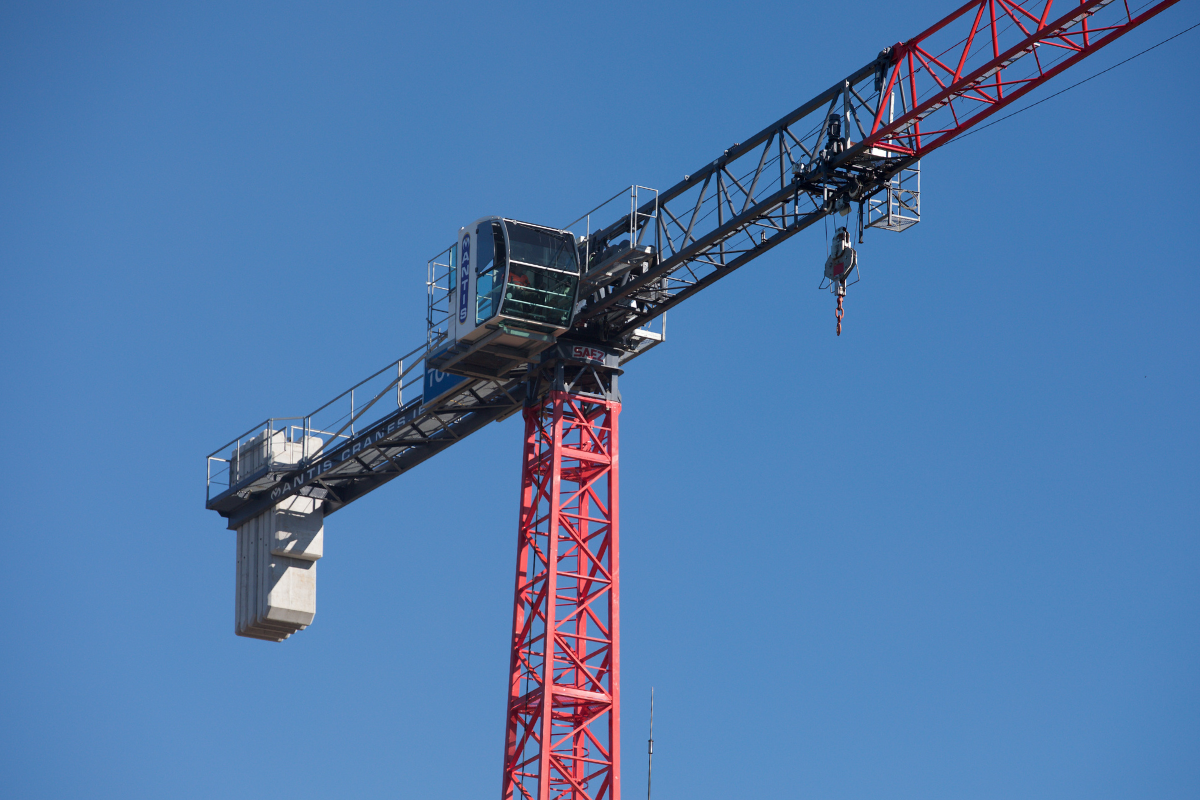
Although infrequent in Ireland and UK, thunderstorms bring lightning and increased risk of danger to workers on construction sites. Lighting strikes are more frequent where tall objects exist, putting construction sites with cranes at risk. With the recent thunder storms in mind, we take a look at how to protect construction workers when working on sites with cranes.
The Construction Plant-hire Association (CPA) is the leading membership and representative body for construction plant-hire. The association develops and publishes a large range of safety-related publications on behalf of the industry. Technical Information Note (TIN) 036 deals with Electrical Supplies and Lightening Protection for cranes and can be downloaded here.

Procedures
Ensure that the crane is properly grounded
The crane should be correctly grounded to reduce the risk of lightening damage. TIN 036: ‘The connection to the tower crane base should be carried out using the manufacturer’s approved earthing points. Earthing points should not be created by drilling or welding to structural elements of the crane’
Establish an Emergency Plan
Emergency procedures in the event of storms should be established and communicated to all personnel on-site. According to TIN 036, ‘The organisation in charge of the site where the crane is erected, the principal contractor on a construction site, should prepare an emergency plan that considers emergency escape routes and lighting from the crane for the crane operator and maintenance personnel.’
Monitor the weather
Continually monitor weather forecasts and communicate all weather changes with the crane operator and site personnel.
During a Storm
Stop all crane operations if a storm is forecast. TIN 036 states that ‘Lightning can induce significant voltages in the tower crane structure, which may lead to the electrocution of personnel in direct or indirect contact with the crane or load. In the event of a thunderstorm warning, the operator should put the crane out of service and leave the crane.’
After a Storm
Following a storm, the crane should be inspected for damage before resuming operations. Checks for signs of lightning strikes should include scorch and burn marks. ‘In the event of a lightning strike, the crane supplier should be notified and the crane should be thoroughly examined by a competent person before being returned to service. This is to ensure that damage has not occurred to the crane or any of its components, including the slew ring, safety and control systems. It is recommended that the slew ring is re-inspected after the crane is dismantled at the end of the hire period.’

Mantis Cranes are a leading crane hire company, and supply self-erecting cranes, tower cranes, luffing tower cranes, and construction hoists. We are established throughout the UK and Ireland. For information on hiring or buying cranes and crane attachments, email us on info@mantiscranes.co.uk or info@mantiscranes.ie or visit www.mantiscranesgroup.com
Share This Article, Choose Your Platform!
continue reading
Related Posts

Tower cranes are essential to a broad range of building projects, from healthcare and education through to commercial and residential developments. At Mantis Cranes, our extensive fleet provides lifting solutions for every type of site, whether it's a hospital, nursing home, college, hotel, or office block.

A tower crane rising above a site tends to draw every eye, but the real story starts long before it arrives on site. It's this quiet groundwork that sets the stage for everything that follows.
Tower cranes are one of the most efficient lifting solutions available on construction sites, offering exceptional height, reach, and lifting capacity that few other machines can match. Unlike mobile cranes, they occupy a small footprint while still serving the entire site, making them ideal for congested urban locations.
